Pond Preparation: The Foundation of a Successful Shrimp Crop

Successful shrimp farming begins long before stocking post-larvae (PL). Proper pond preparation creates a suitable environment for shrimp growth while helping reduce potential risks during the culture period.

The preparation process involves several important steps, including pond drying, bottom cleaning, organic waste management and soil conditioning. Removing accumulated sludge and excess organic matter helps improve pond bottom conditions and reduces potential sources of harmful compounds. Applying suitable liming materials, such as agricultural lime or dolomite, based on soil pH and conditions, can help correct soil acidity and improve pond conditions before filling.

Natural water sources may contain various unwanted substances and harmful microorganisms, including organic waste, suspended particles, pollutants, bacteria, viruses, fungi and other pathogens. Therefore, incoming water should be properly treated before being introduced into the pond to minimise potential risks to shrimp health. Water treatment generally involves three main methods:

  1. Physical Treatment
  2. Chemical Treatment
  3. Biological Treatment

Pond preparation requirements may vary depending on pond characteristics, soil conditions and previous farming practices. Therefore, careful assessment and appropriate management decisions are essential at every stage.

At KMN Aqua, we believe that proper preparation, regular monitoring and sustainable management are essential foundations for healthier shrimp farming and more consistent production outcomes.
Understanding the Role of Feed in Successful Shrimp Farming

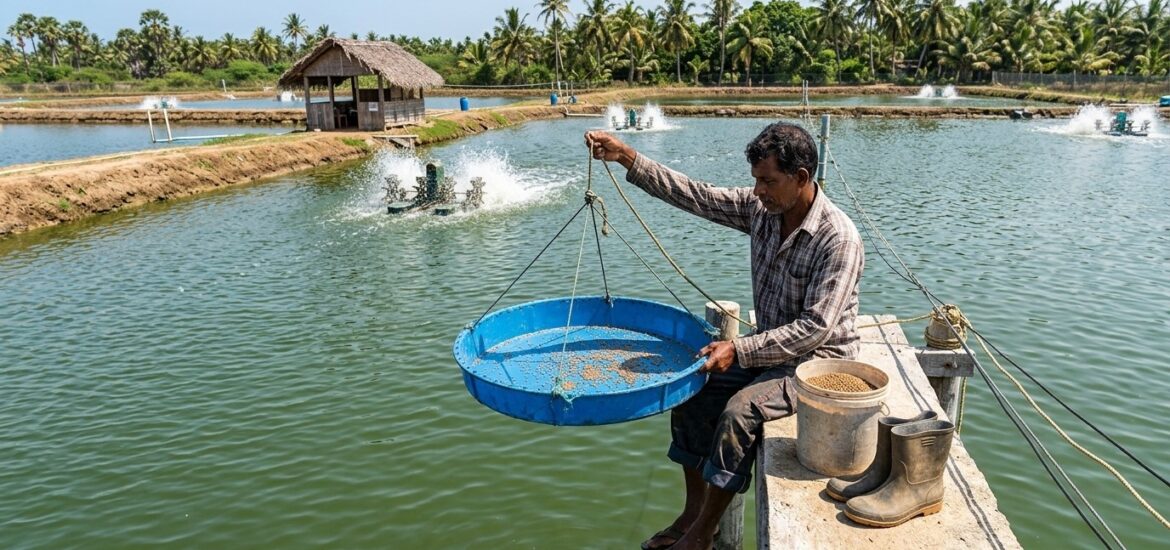
Feed plays an important role in shrimp farming by providing the nutrients needed for healthy growth and development. Selecting quality feed and managing feeding properly can contribute to better farm performance and more sustainable production.

Shrimp require balanced nutrition at different stages of growth, but providing more feed than the shrimp can consume does not lead to faster growth. Overfeeding can result in uneaten feed accumulating in the pond, which may increase organic waste and negatively affect water quality. It can also lead to inefficient feed utilisation and unnecessary production costs.

Effective feed management requires farmers to consider shrimp biomass, feeding behaviour, pond conditions and environmental changes when determining feeding amounts. Regular observation and adjustment of feeding practices can help minimise waste while ensuring shrimp receive sufficient nutrition.

At KMN Aqua, shrimp feed is part of a broader approach to sustainable aquaculture, supported by technical knowledge, research and industry experience. By combining quality feed with proper feeding practices and technical guidance, farmers can work towards healthier shrimp, efficient production and sustainable farming.

Why Water Quality Testing Matters in Shrimp Farming

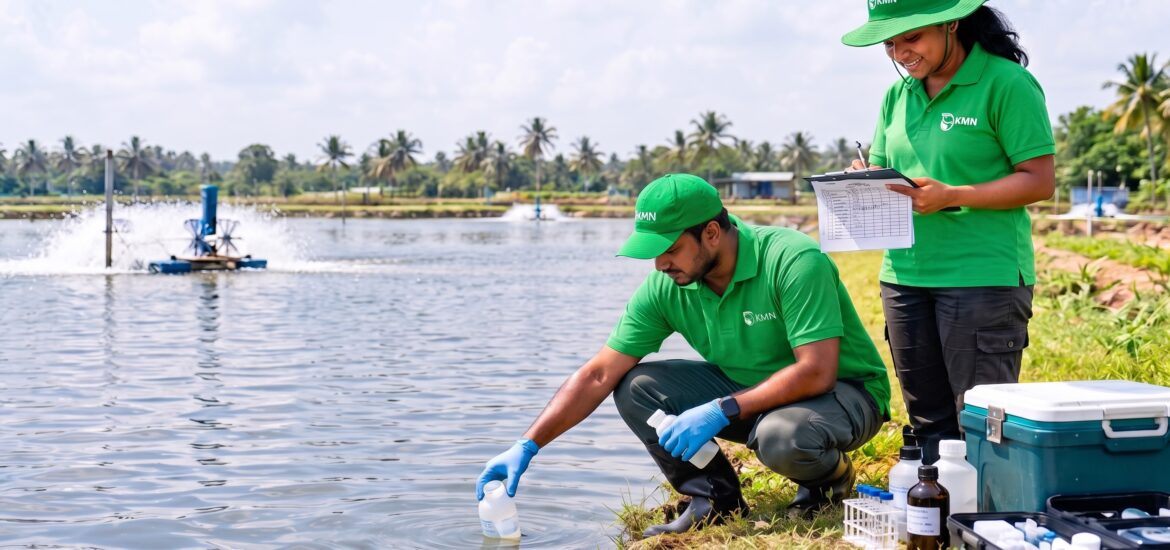
Maintaining good water quality is essential for healthy shrimp, stable farm performance and sustainable aquaculture. Regular water-quality testing helps farmers understand pond conditions and identify changes before they develop into serious problems.

Key parameters such as pH, dissolved oxygen (DO), ammonia, alkalinity, nitrite, salinity and temperature all influence the shrimp’s environment. Changes in these conditions can affect shrimp health, feeding behaviour, growth and overall productivity. For example, low dissolved oxygen or elevated ammonia and nitrite can negatively affect shrimp health, feeding and growth. while unstable pH, salinity or temperature may affect normal shrimp development.

Regular testing provides valuable information for making timely and informed management decisions. By monitoring pond conditions consistently, farmers can respond to changes early, reduce risks and maintain a more suitable environment for shrimp production.

At KMN Aqua, our technical team supports farmers through water-quality testing, monitoring and practical technical guidance. We help farmers better understand their pond conditions and apply appropriate management practices.